Fork, knife and food truck: Going beyond a restaurant on wheels
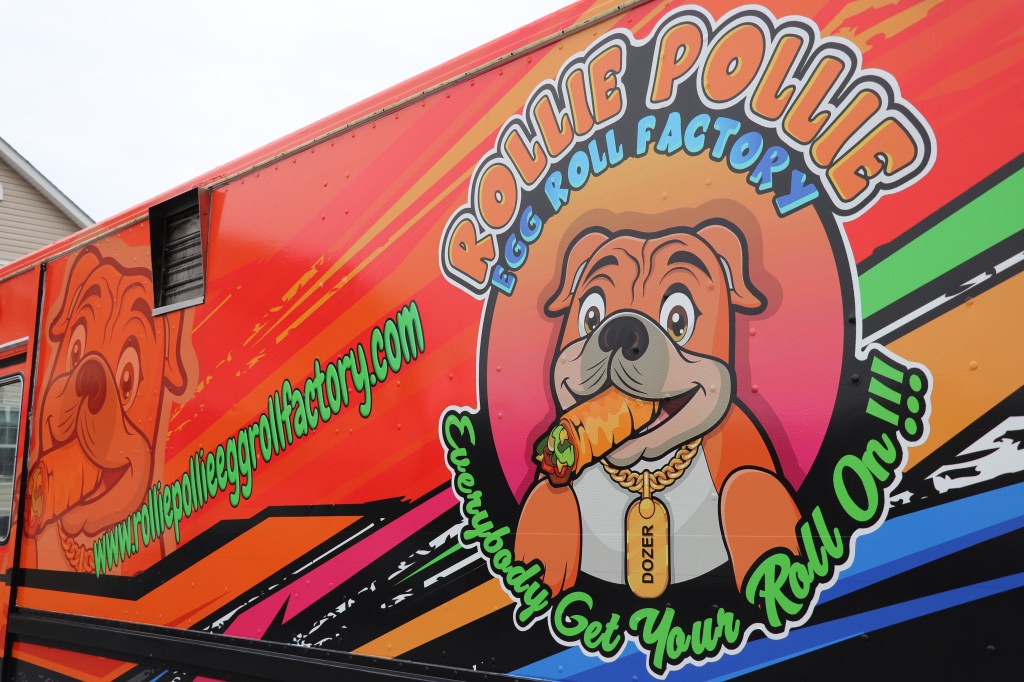
Not many people would say the global pandemic is a blessing in disguise, but for Anthony Pierce, the pandemic helped him fall back in love with his passion – cooking. With an Italian grandmother and Polish grandfather, Pierce grew up surrounded by love in the form of Sunday Philly gravy (an Italian red sauce referred to as gravy typically served with pasta) and stuffed cabbage rolls.
Although he is not formally trained, Pierce started as a line cook and eventually made his way up to an executive chef for multiple restaurants. After several years in the food industry, Pierce lost his passion for cooking and started his own construction business.
“I swore to my now-wife, that I would never get back into food as a living,” Pierce said. “And then the pandemic hit.”
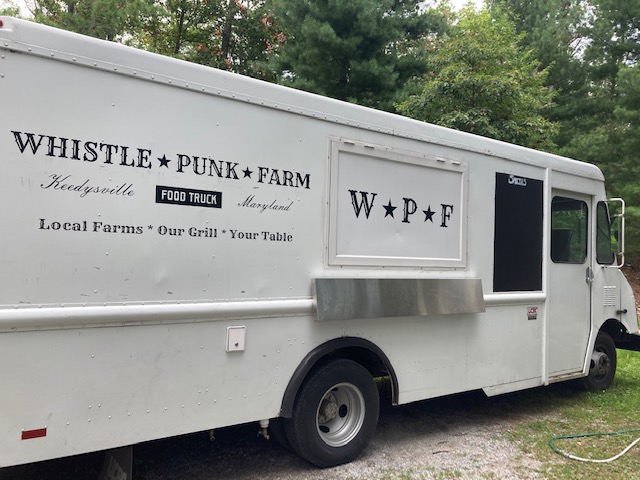
Like Pierce, Alexis Holland worked in the food industry when she was younger, but didn’t see it as a career until she owned her own farm and eventually started a food truck in 2019. With a unique concept of a fully seasonal menu dependent on local farms of the area, Holland takes the idea of farm to table on wheels.
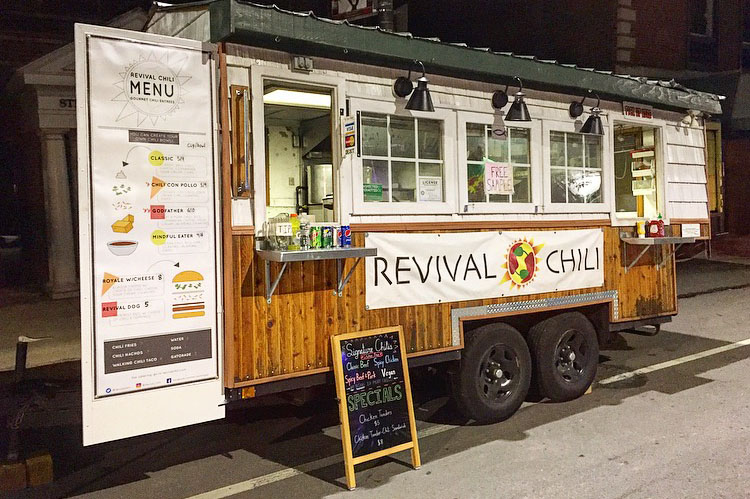
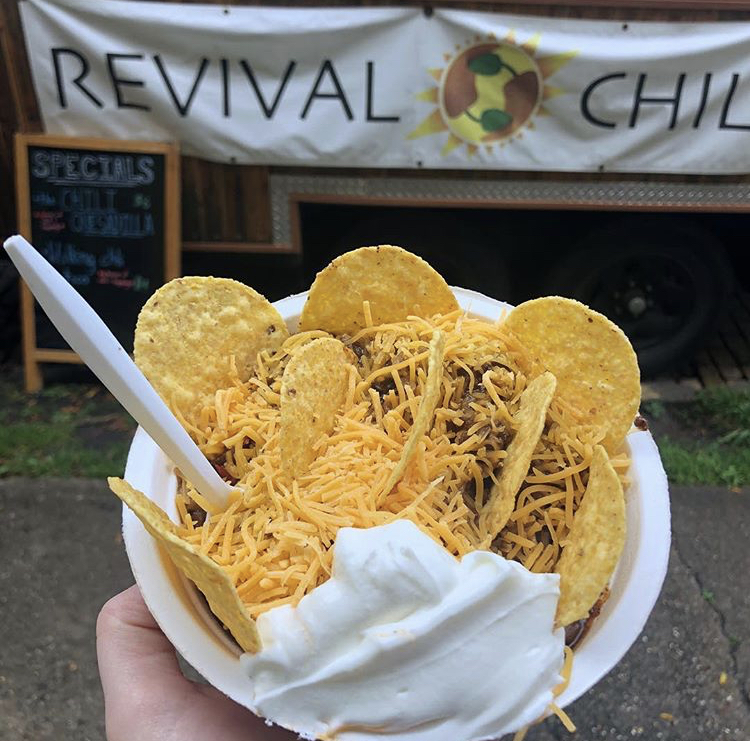
Jordan Robarge, meanwhile, took a different approach to the food industry. He graduated from the University of Virginia with a major in systems engineering and minors in math and business. While in college, Robarge received an underage drinking charge, affecting his ability to get his dream job after college. That’s when he knew the chili recipe he developed for his fraternity could be put to better use: starting a food truck business called Chili Revival that focused on an open hiring model where anyone can apply for a job no matter what happened in the past.
Growing in popularity due to the COVID-19 pandemic, food trucks provided people a slice of normalcy to eat and safely talk with others. From 2016 to 2020, food trucks have an average annualized growth rate of 12.1% with an estimated 30,000 businesses in the U.S according to Zippia.
With low start-up costs compared to opening a brick-and-mortar restaurant, food trucks are an alternative way for people to start their own business, offering a quick, fast-paced environment with quality food. Rollie Pollie Egg Roll Factory, Whistle Punk Farm, and Revival Chili are non-traditional food trucks aiming not only to serve mouthwatering food, but to also better their local communities.
Rollie Pollie Egg Roll
Factory:
A niche, not a novelty
MORGANTOWN, WEST VIRGINIA – “Everybody knows there’s this pandemic of heroin use and fentanyl going on, but I don’t think people really speak about it enough,” Pierce said.
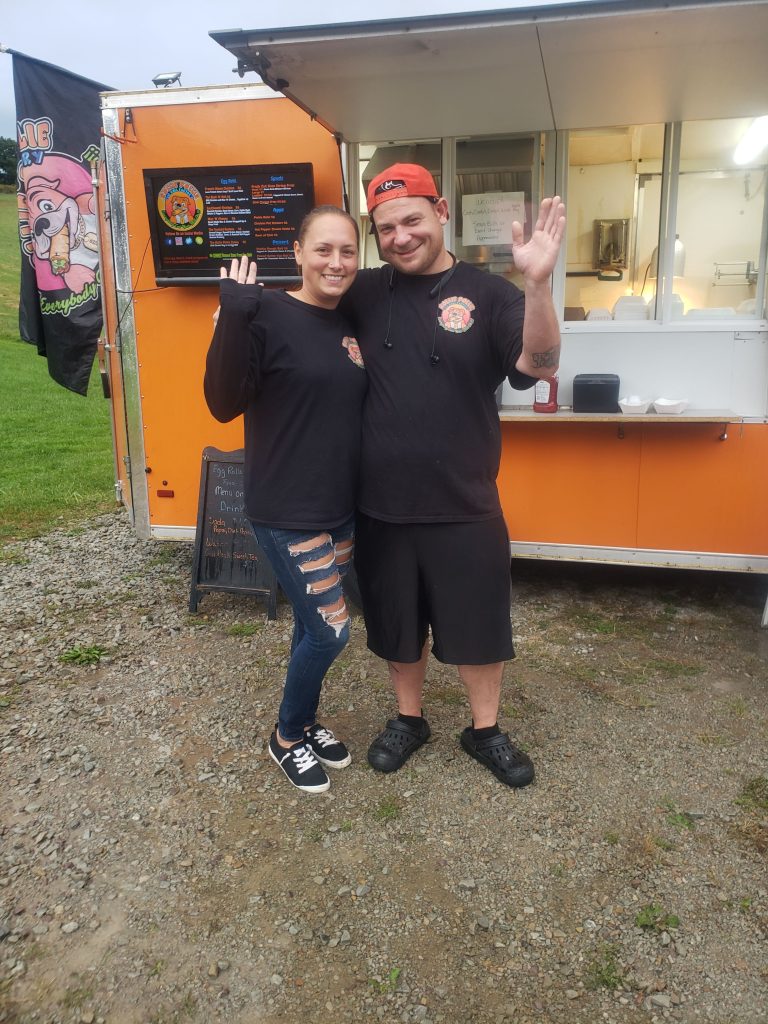
Seven years ago, Pierce fell into a rough place with drugs and alcohol. He went through rehab. He attended a halfway house for recovery. He wanted to help others. After recovering, Pierce became a drug and alcohol counselor, and, with his wife Megan, ran four sober-living houses in the Uniontown area with about 36 men and women in the houses.
“When the pandemic hit, it’s not a good time when someone’s in recovery from drugs and alcohol,” Pierce said. “Some with one or two months of being clean and sober – when you start losing jobs, you’re basically locked up and you can’t do anything – that’s a really dangerous time for somebody in recovery.”
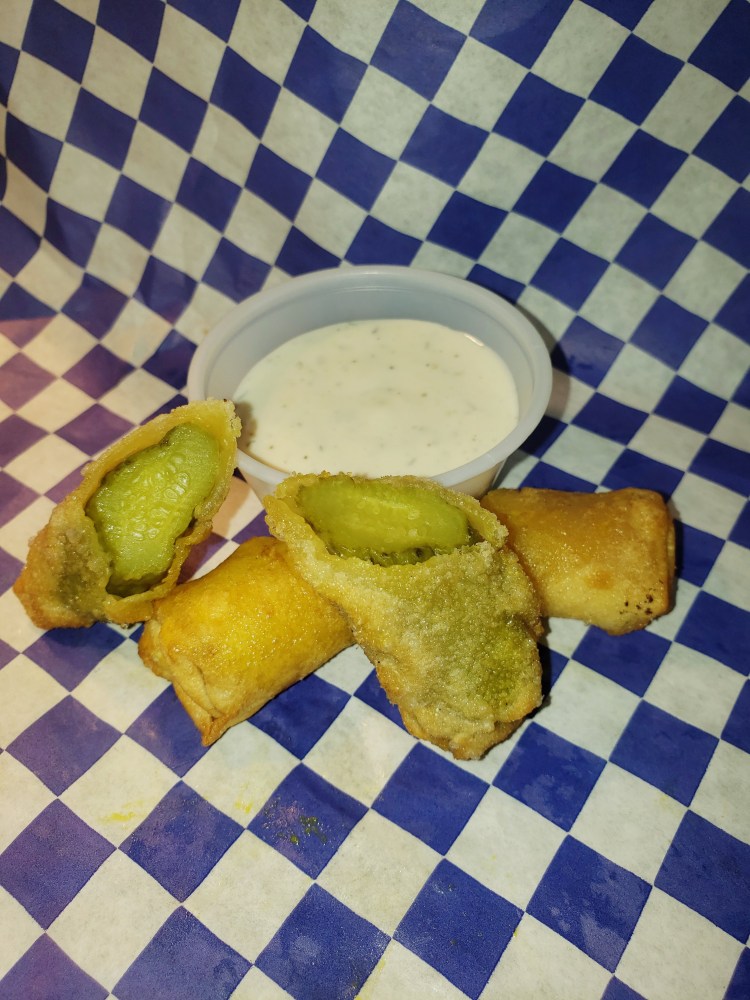
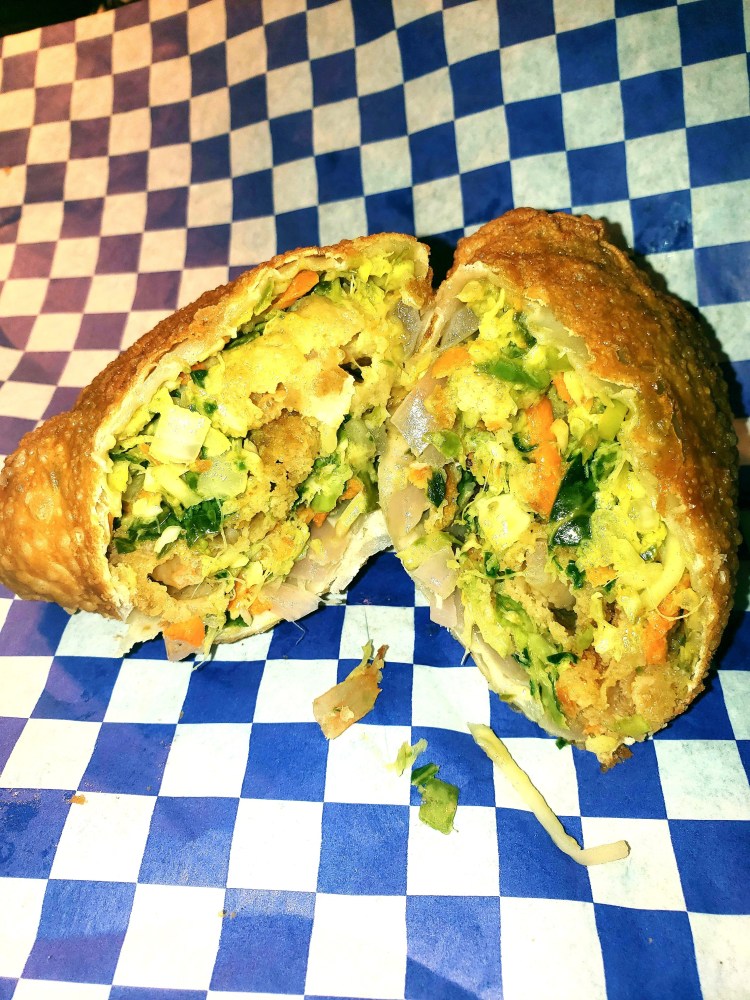
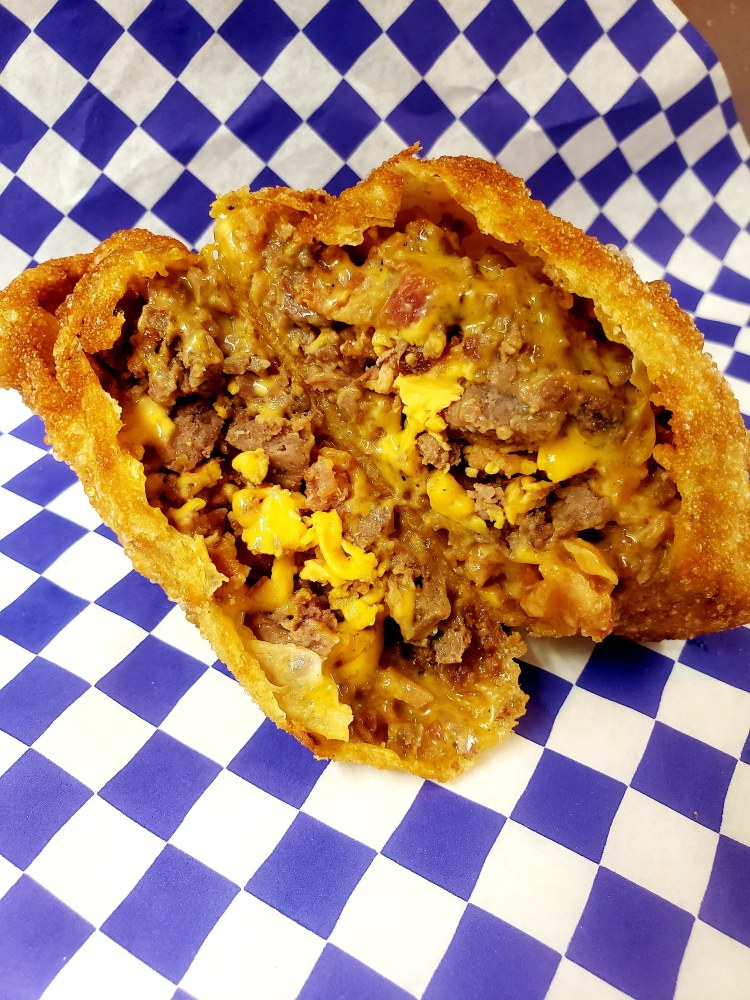
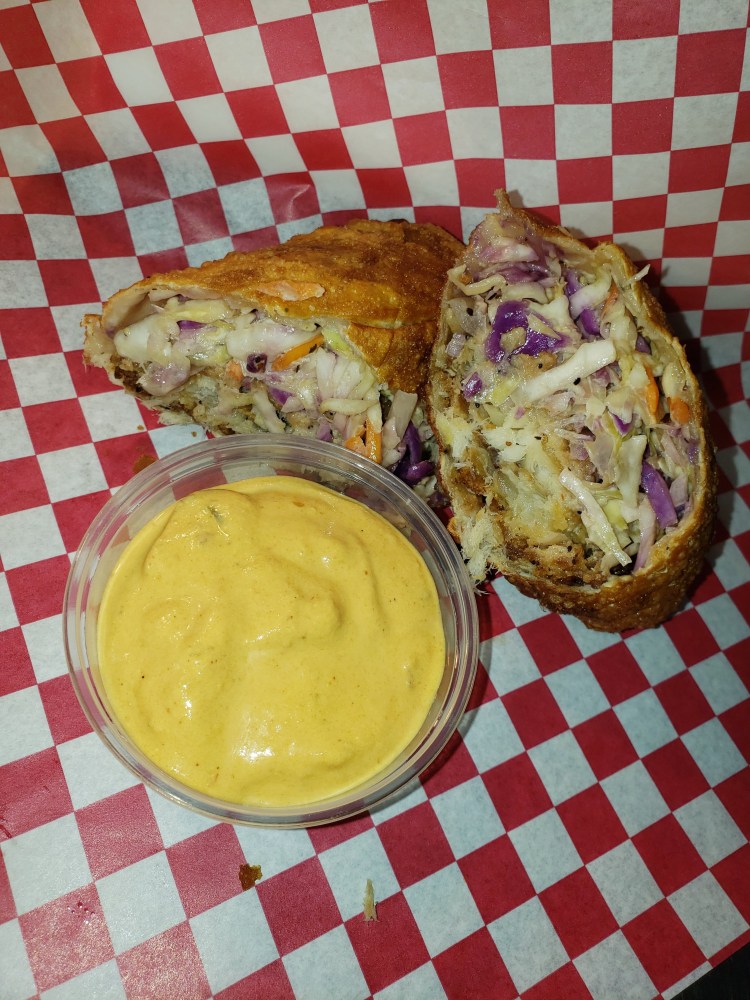
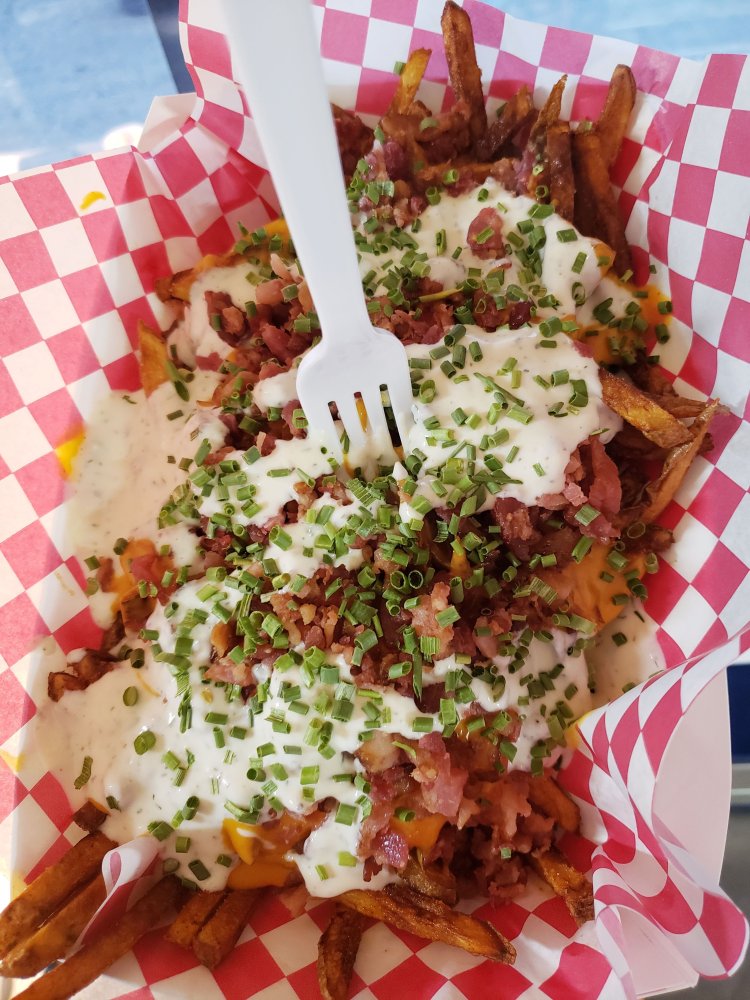
Pierce said once he experimented with egg roll fillings, he started thinking about a food truck business for the Morgantown community. Through extensive planning, his background in both food and owning his own construction business, Pierce and his wife started with a small trailer, and recently upgraded to a full-size food truck.
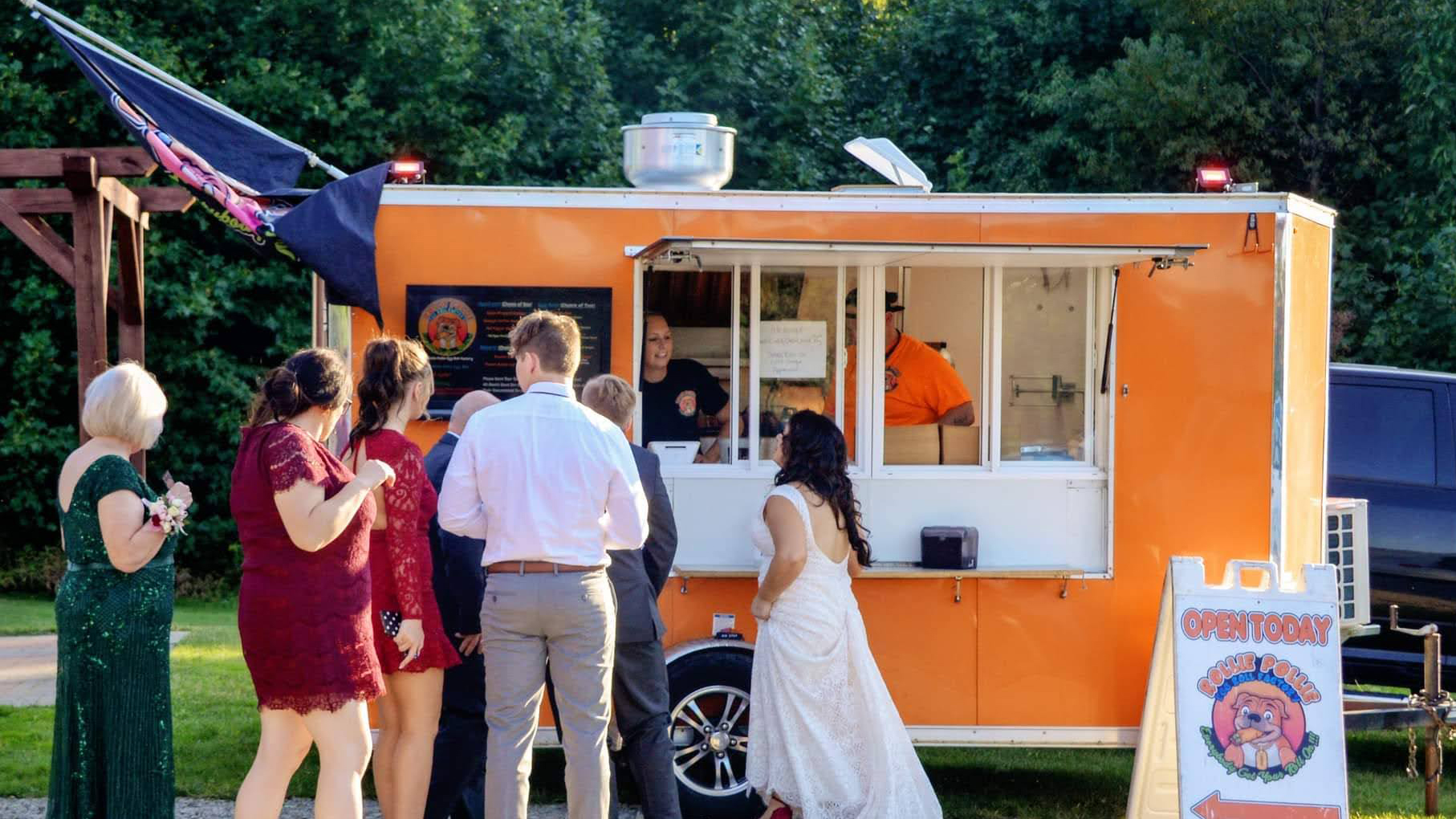
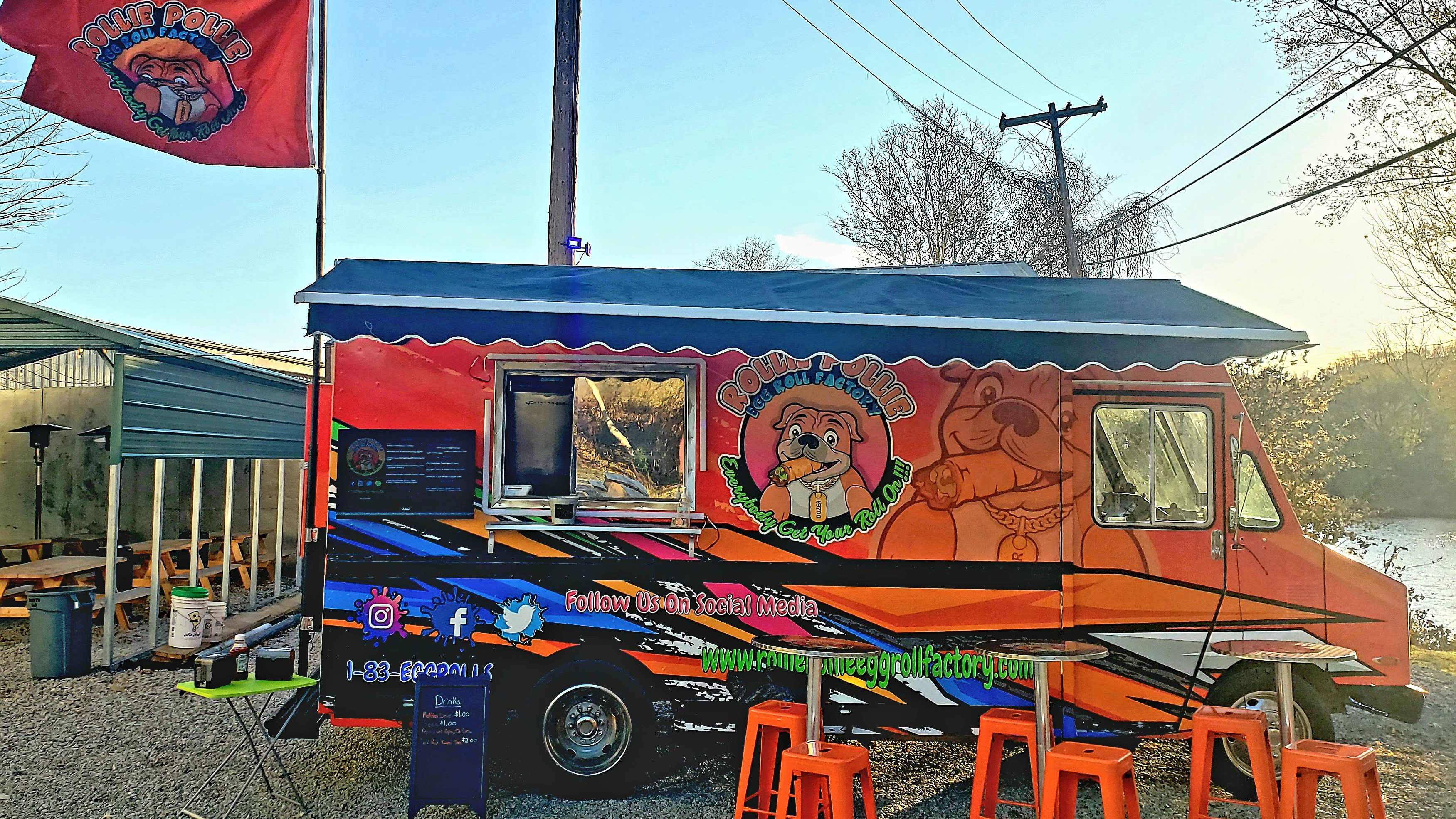
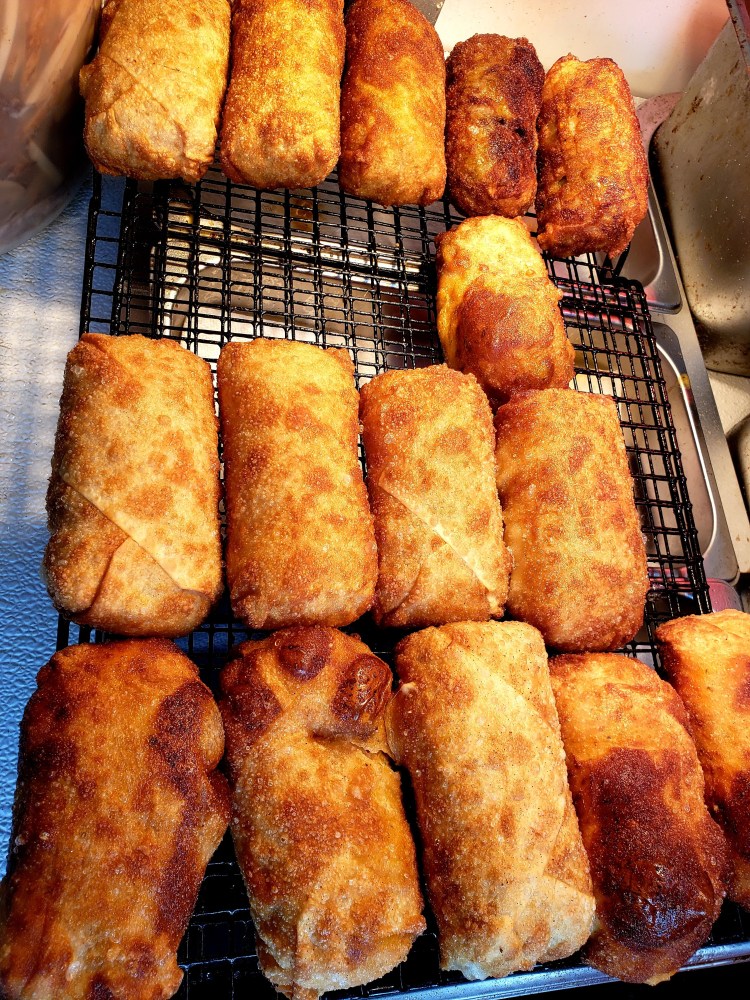
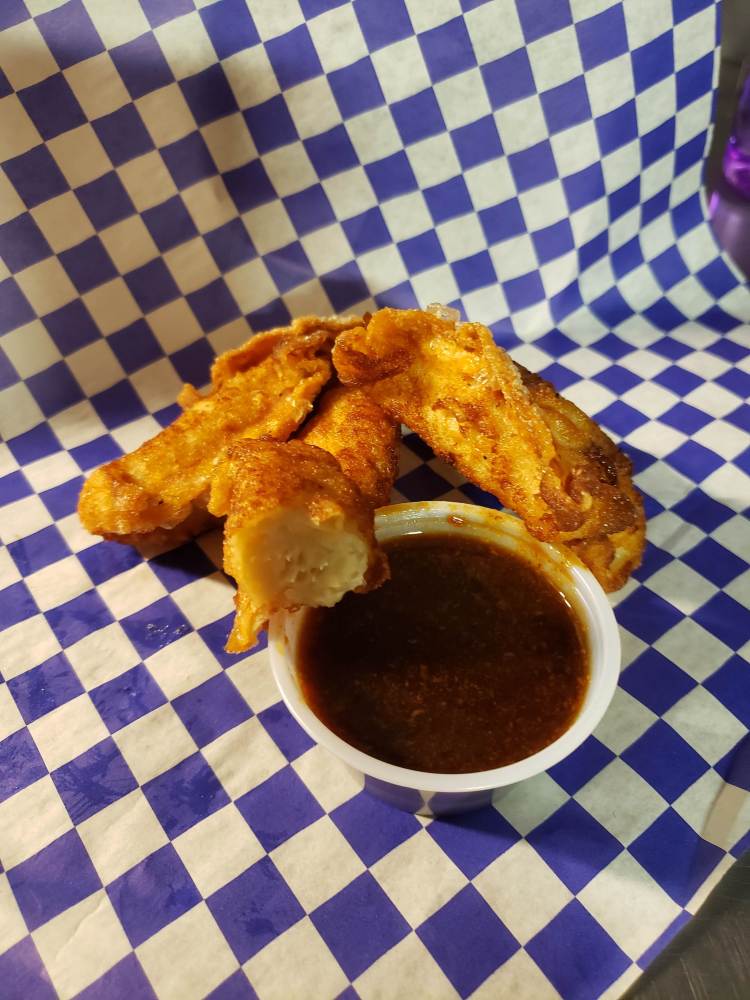
“Even though we put (different fillings) in an eggroll, it’s like when you bite into it, you want that nostalgic flavor to take you back somewhere,” Pierce said. “It’s the taste you’re comfortable with and used to just wrapped up in a different package.”
With a horn in his tailor that plays “Country Roads,” Pierce said food trucks are a social gathering for people and it goes beyond a restaurant on wheels as he and his wife try to make it an experience for the customers to create lasting memories.
“For us, creating a sense of putting ourselves into that culture, hopefully, people can look back at us and remember getting eggrolls,” Pierce said. “Food is art. I can immediately give you something that is 100% me and 100% my love wrapped up in that eggroll. What better way to make a connection with somebody than through food.”
Even with working long hours, managing his schedule for events a year out, preparing and creating all the egg rolls from scratch, Pierce said the most rewarding part of running a food truck is customer satisfaction.
“Everything going out that window is part of us. I’m so blessed to be able to do this every day,” Pierce said. “Even though it’s more work than you can ever imagine, you take pride in it when you’re giving it out. It’s not just my business, every time we go out, it’s everybody’s. It’s Morgantown’s food truck, I just run it.”
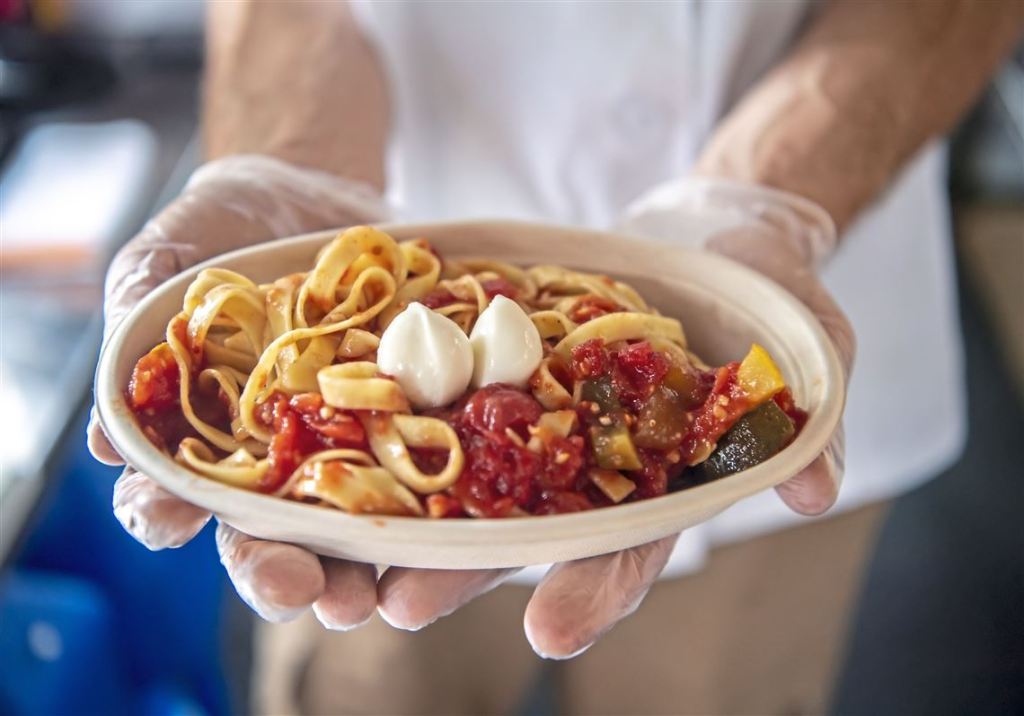
Revival Chili, Pasta
and Nancy’s Revival:
A platform for creativity
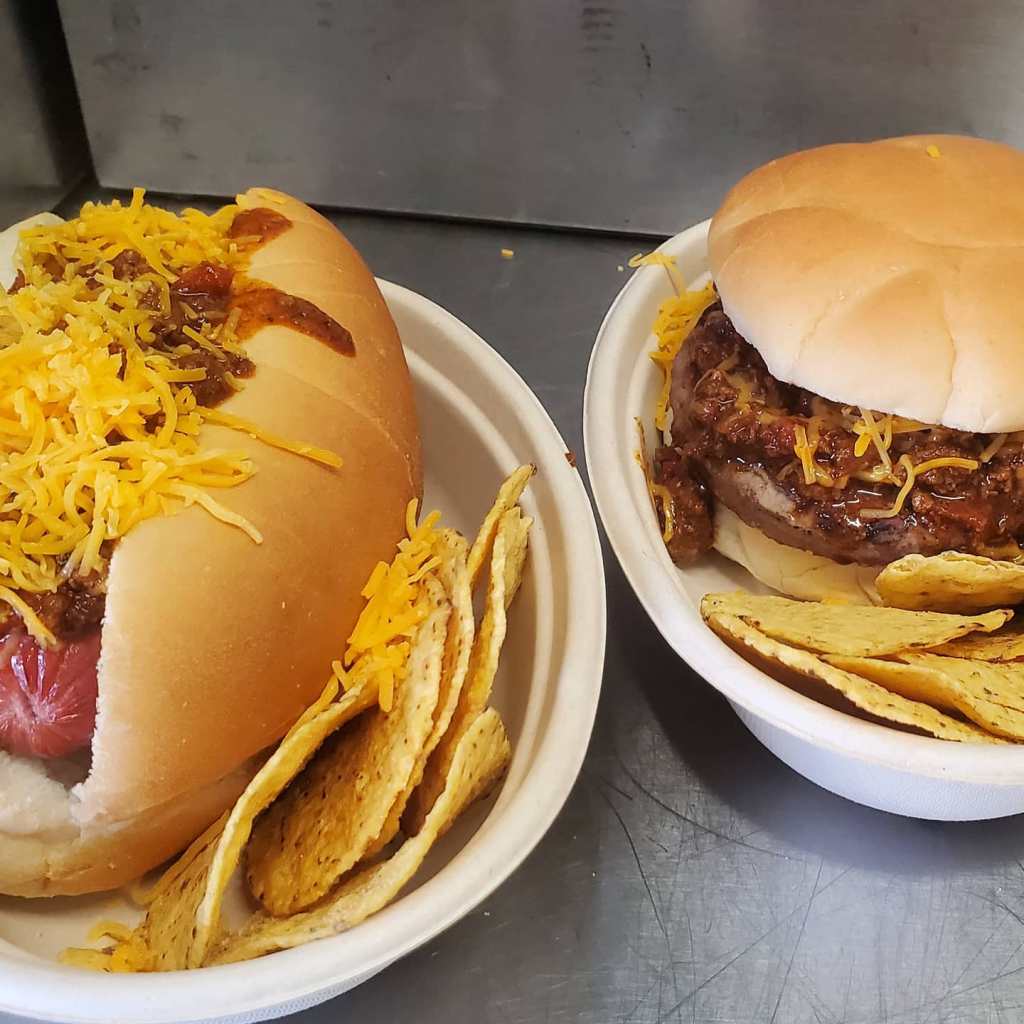
PITTSBURGH, PENNSYLVANIA – “The name revival came from helping revive people’s lives. I knew I wanted to hire returning citizens and, from the get-go, I wanted to be able to put some training around entrepreneurship as well as helping them leverage the skills that put them in jail in the first place,” Robarge said.
After facing rejection from companies when applying for jobs after college, Robarge realized the largest hindrance to his success was his background check. With an estimated 70 million people having criminal records in the U.S. according to Pew Trusts, Robarge identifies with his employees’ struggles, using his businesses to not only help their short-term goals but also long-term success.
“With my love of chili and my story of how something as little as an underage drinking charge affected my life, I knew that there were large problems within the prison system in the U.S., so I started Revival Chili in 2016,” Robarge said.
Robarge could not make this dream happen on his own, so he applied for the Venture for America Fellowship, a national organization focused on supporting rising entrepreneurs in urban areas. Robarge was accepted and matched with Thrill Mill (now known as Ascender), a company dedicated to helping entrepreneurs start and build their businesses.
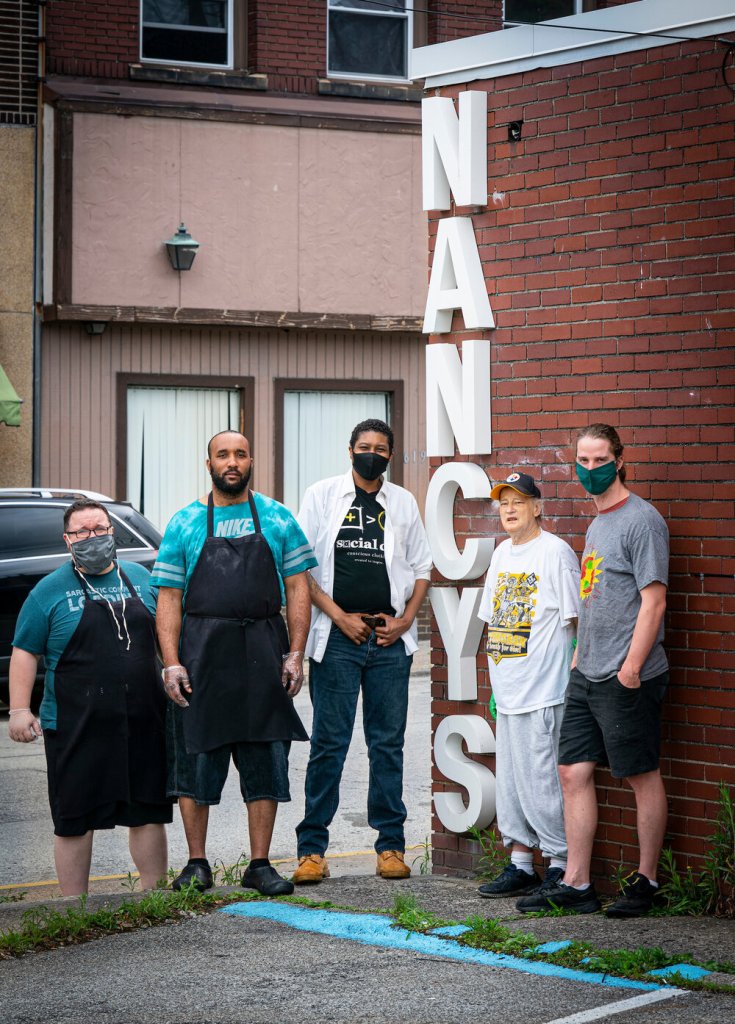
Through Venture for America along with the support of his parents, Robarge quickly found success in his business but realized he wanted to help more disadvantaged people and provide more job opportunities. The solution? Purchasing Nancy’s diner in a lower-income east neighborhood of Pittsburgh to provide more jobs and room for entrepreneurial classes.
“In the summer of 2019, we started running life skills classes for our employees that were also opened to the community once every two weeks and covered a variety of things focusing on both the emotional intelligence and more technical skills like opening a savings account,” Robarge said.
Running three businesses, Robarge said he enjoys the times he can take out one of the food trucks and interact with customers, but equally loves the numbers side of balancing his profit and loss statements. Through his businesses, Robarge hopes to inspire his current employees to believe they can start their businesses by providing a space for them to use their creativity.
Whistle Punk Farm:
Farm to food truck
HAGERSTOWN, MARYLAND – “When we bought the farm, we started out with chickens,” Holland said. “Anytime I see people that are looking for chickens, I let them know that chickens are the ‘gateway drug’ for farming. Once you get chickens, you’ll have goats, or you’ll have pigs, or rabbits, or whatever it is shortly after chickens.”
Growing up in rural, western Maryland, Holland was surrounded by “more cows than people.” At a young age, she loved animals, even volunteering to help nearby farms with cleaning in hopes of being able to ride horses. Once her mom passed and her dad’s health started declining, Holland moved from New Mexico back to Maryland and purchased her first farm.
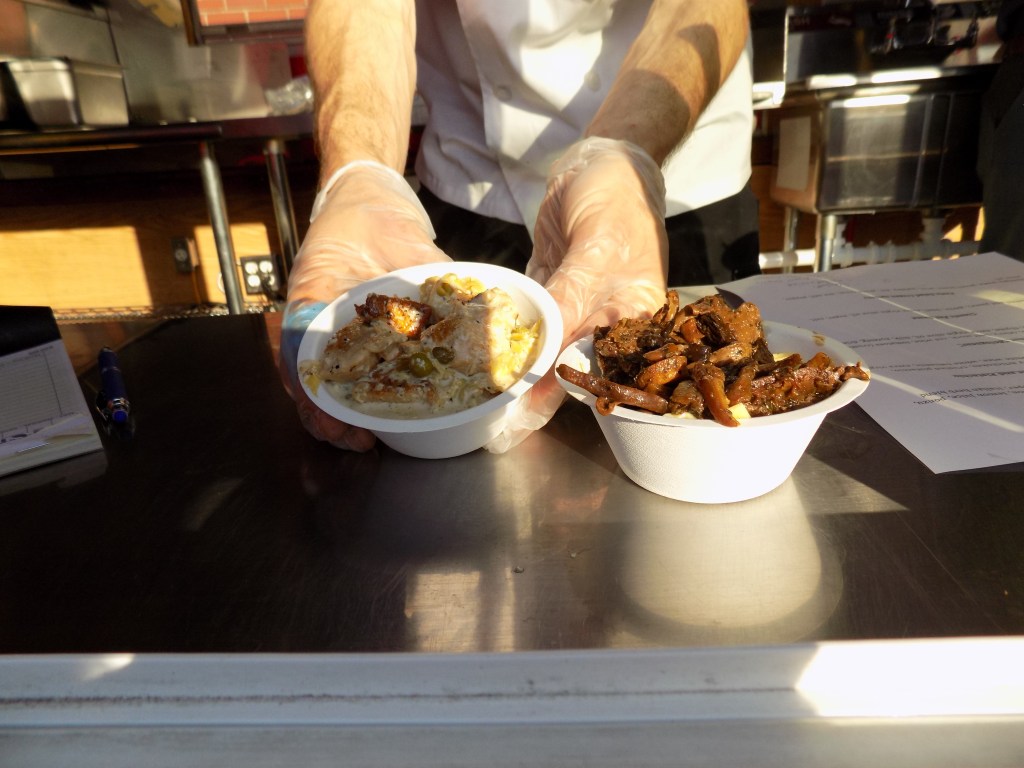
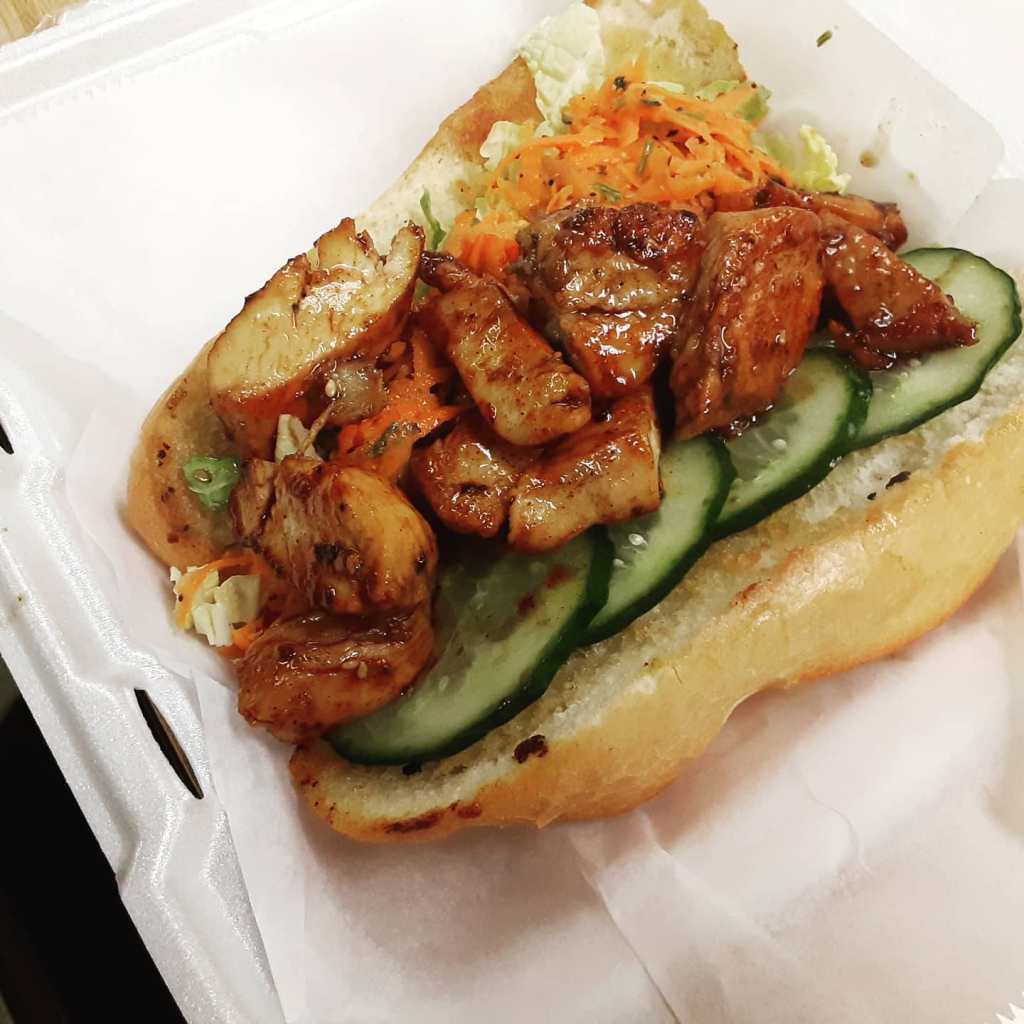
After getting involved with the local farmer’s markets and doing food demonstrations, Holland came up with Whistle Punk’s food concept of being “farm to fork,” a solely seasonal menu based on what’s available with fresh meats and produce.
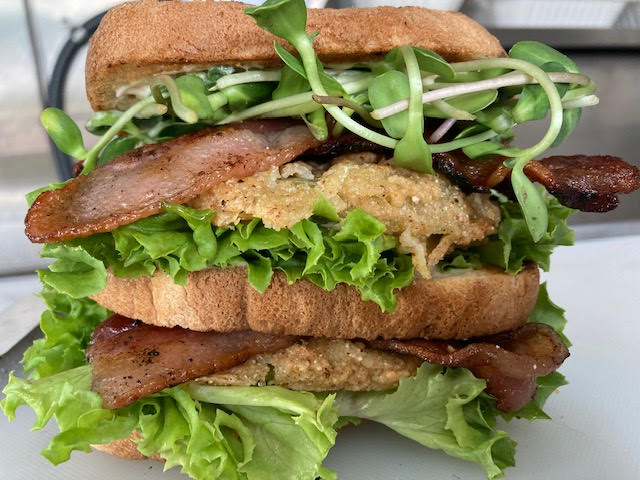
“I think food has always been one of those things to bring people together,” Holland said. “What we are striving for is just to have people have a deeper connection to the people in their community who produce the food. It’s not just having us hand you a handcrafted sandwich, but it’s having you also understand those ingredients were produced by people in your community.”
Much like her food concept, when it came to naming the food truck, Holland said it was more difficult to name the truck than name her children. Wanting something bold, different and memorable, Holland was searching through her grandfather’s thesaurus and stumbled upon “whistle punk,” a term given to a person operating the steam donkey (a piece of early lumberjack equipment used to communicate to other lumberjacks with steam-powered whistles; like Morse code but with whistles).
Although Holland initially thought starting a food truck right before the pandemic would be devastating, Whistle Punk Farm thrived during the pandemic, offering porch drop-offs and going to neighborhoods with community parks for safe social distancing. Within the first year, Holland was able to sell the smaller trailer she started with and move to a full-size trailer that she built herself. With an established customer base, Holland said owning a personal business is worth it when she sees customers’ reactions.
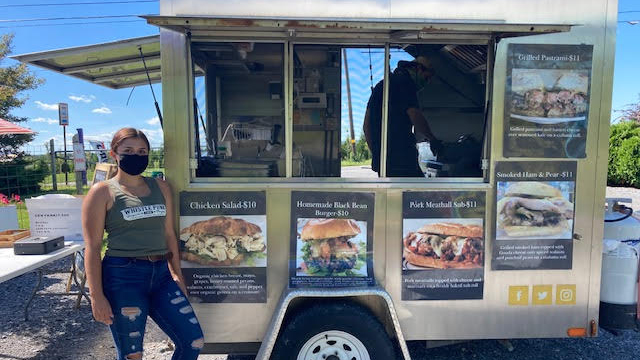
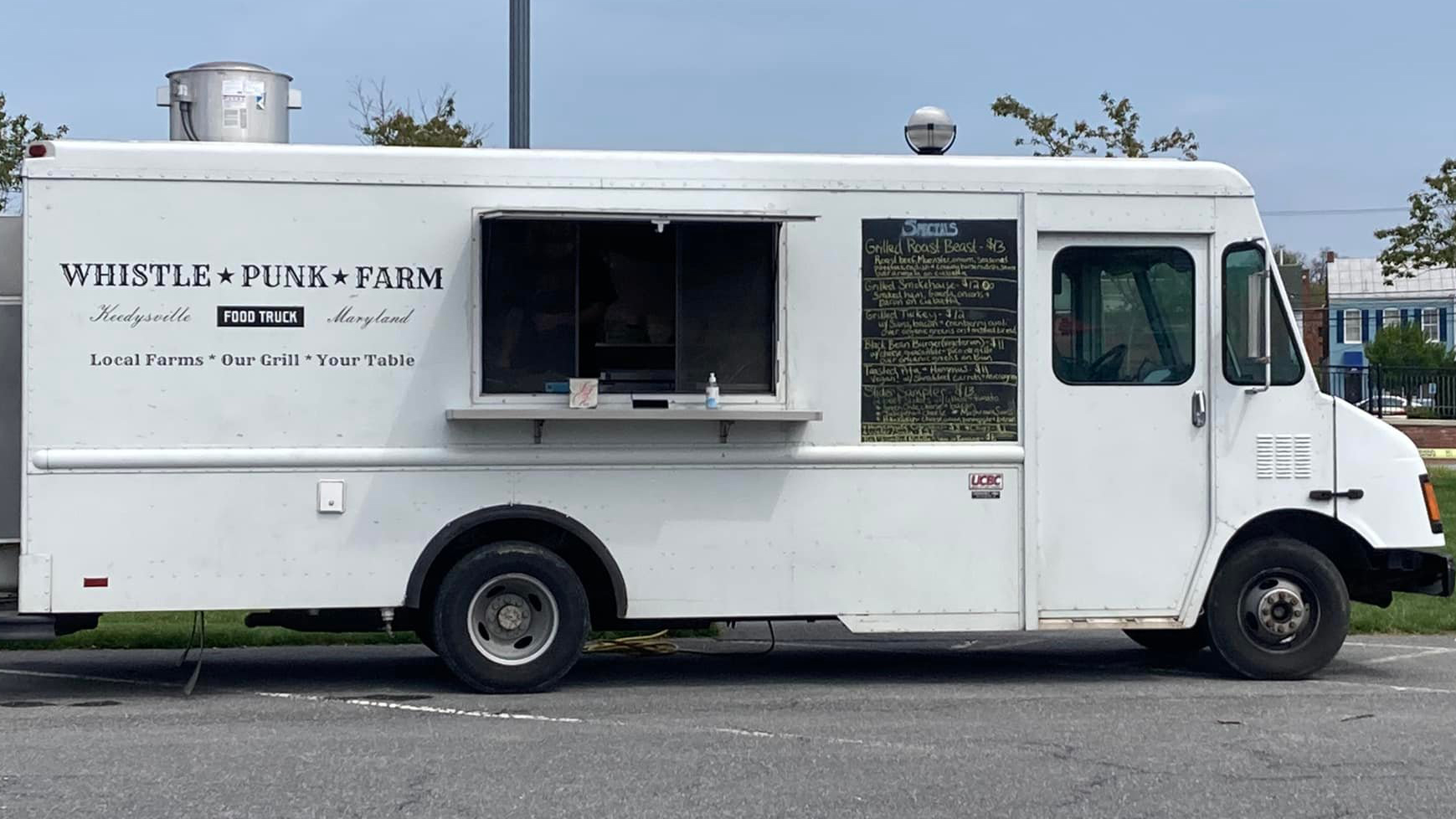
“You’ve got to be a little crazy to work in a food truck,” Holland said. “You’re not doing it because the environment is comfortable. You do it because you have a passion for what you’re doing, you love seeing the people, and you love working with the food. One of our favorite things is we get so much love from our customers. It makes our hearts smile and gives us the energy to keep going.”
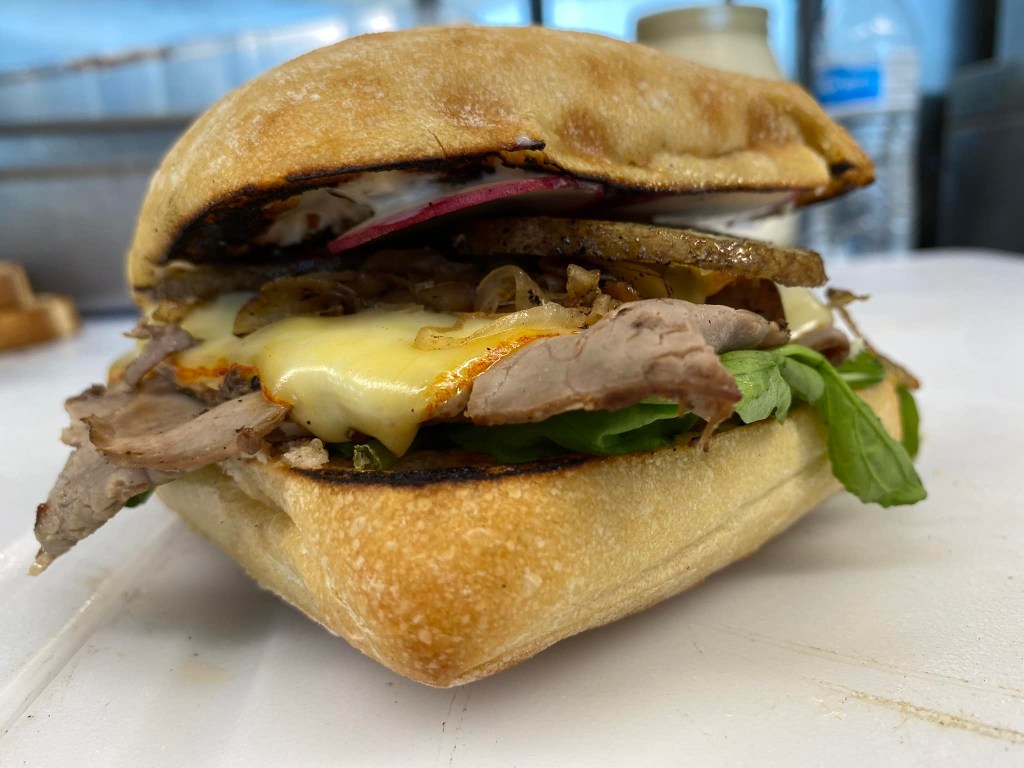
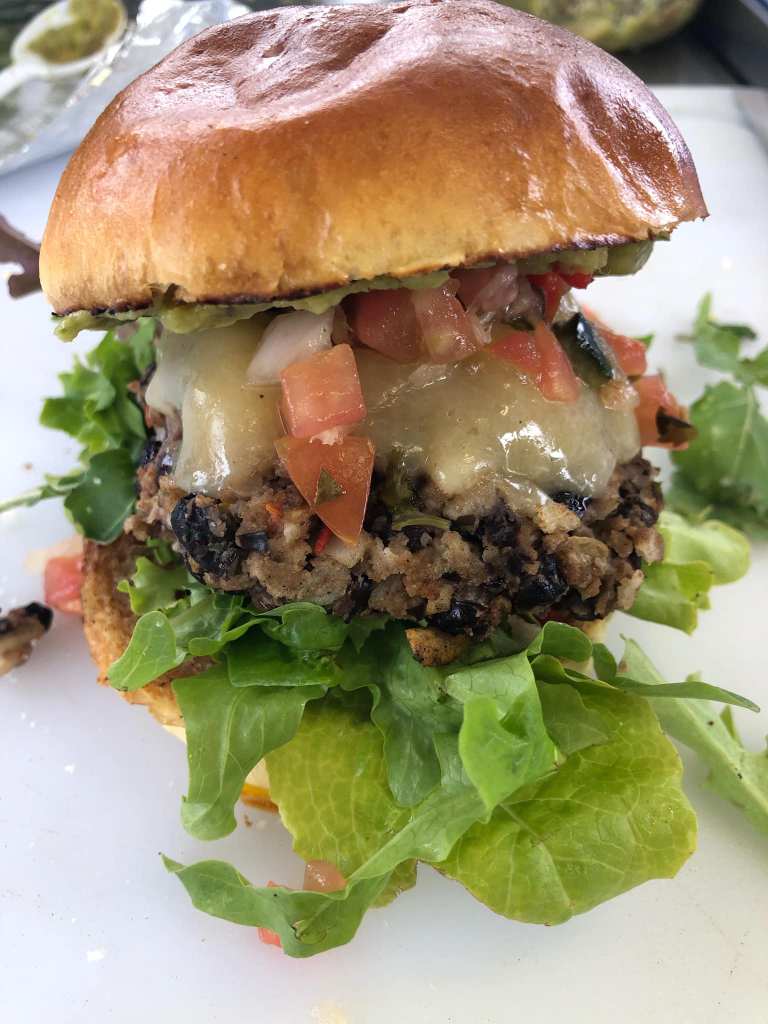
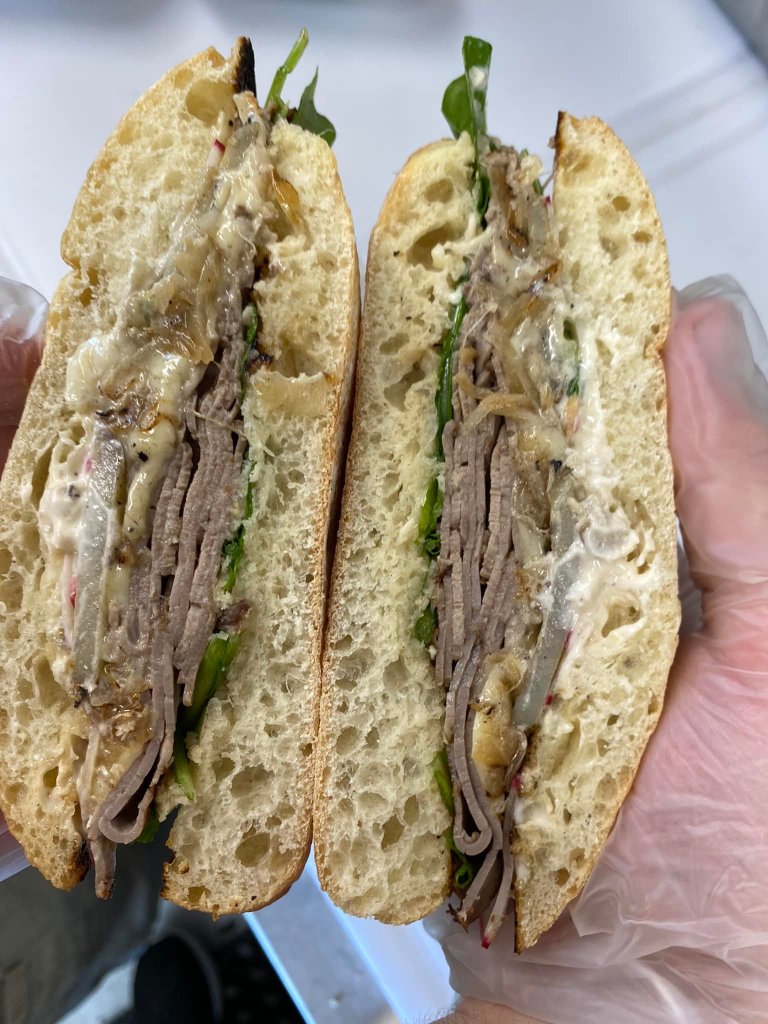
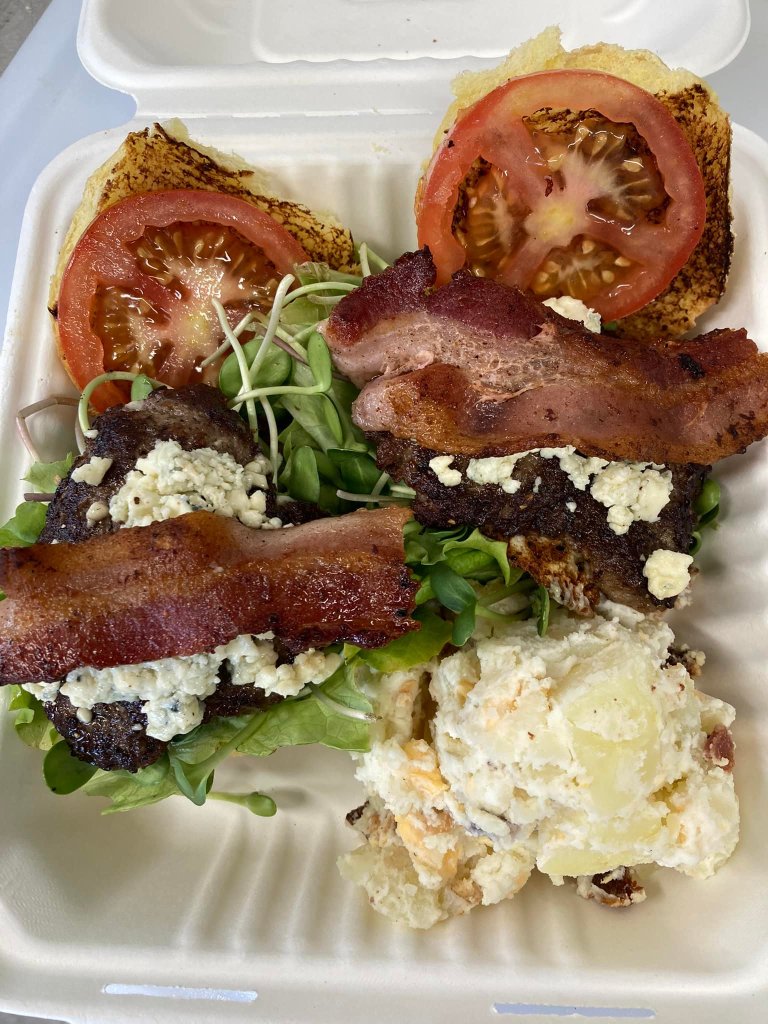
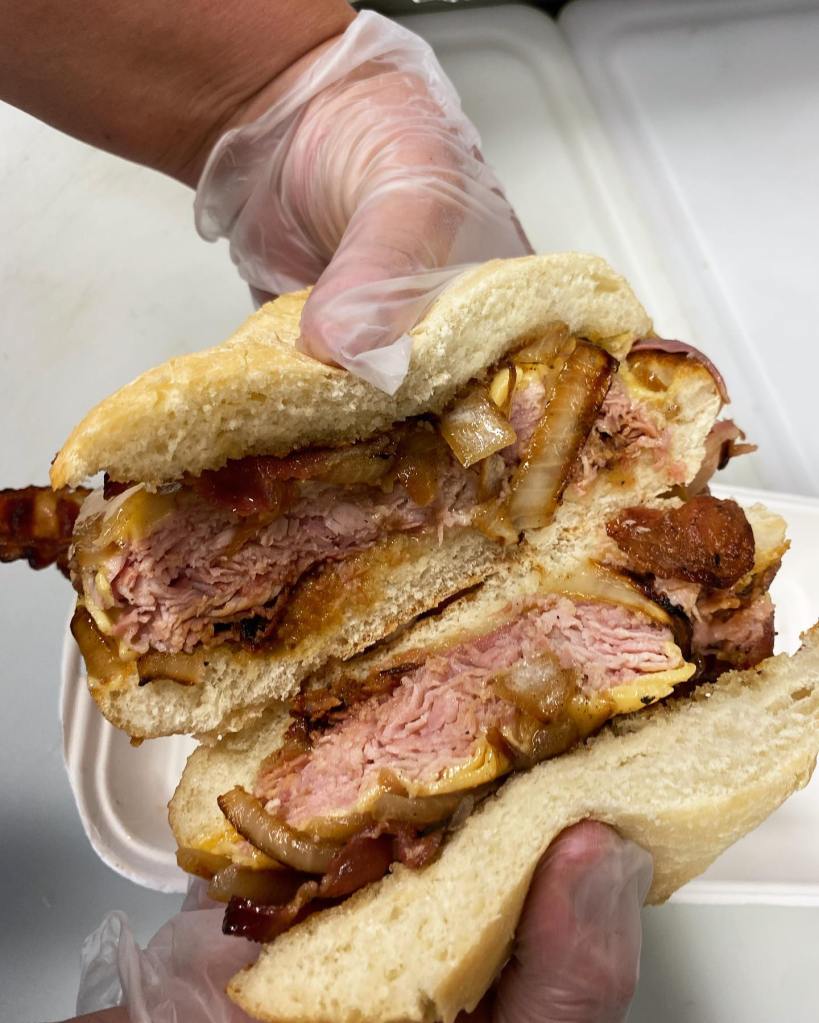
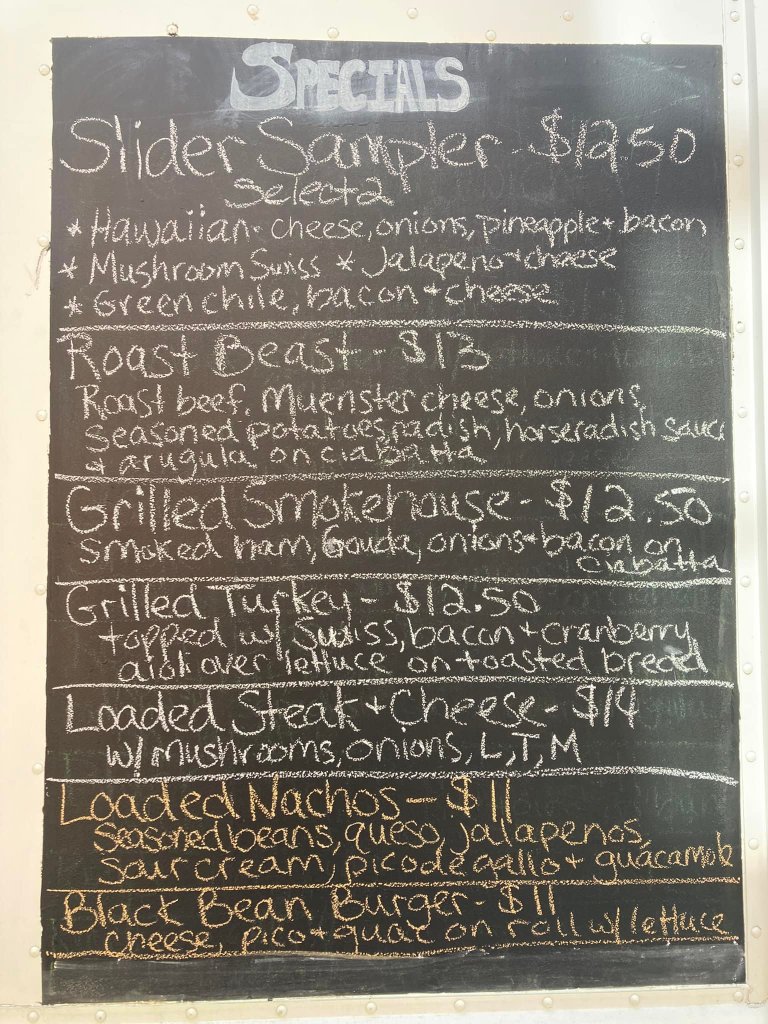
Going beyond just a restaurant on wheels, these food trucks are essential to bringing people in the community together, one bite at a time.
“I’m always coming up with something new and I can always give that back to the customer,” Pierce said. “A food truck is an experience if you let it be that. We wanted to take that food truck and make it be that. I can go out and make $2,000 in a day, but for me, it’s a part of me to you and that’s what makes it special. I’d rather make $100 a day and make it special than rack my pockets and it means nothing.”
 jnrwvu.design.blog